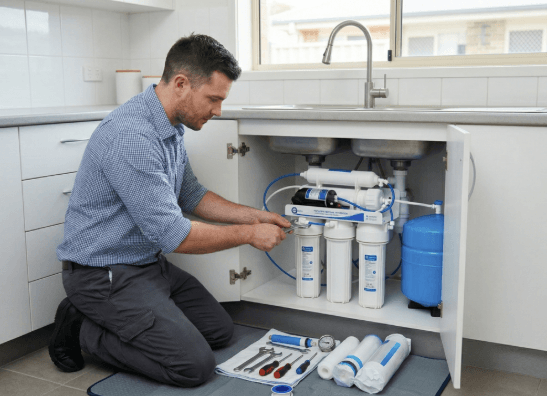
A methodical approach to repairing water systems begins with diagnosing leaks and assessing the overall layout. Flow mapping and targeted pressure tests quantify losses, while documenting findings supports precise prioritization. A planned shutoff isolates affected sections and protects exposed lines, with insulation considered for temporary interruptions. Common failures—tighten fittings, replace worn seals, and remove mineral buildup—stand as initial steps. After fixes, system tests verify function, maintenance schedules are established, and labeled records reduce recurrence, leaving a cautious path forward.
Diagnose Leaks and Assess the System
Diagnosing leaks begins with a systematic assessment of the entire water system, identifying potential ingress points and mapping the flow pathway.
The evaluation isolates the leak origin through structured inspection, seizing symmetry between supply and return circuits.
Pressure testing confirms anomalies, quantifies loss, and guides targeted diagnostics.
Documentation records findings, enabling precise prioritization and minimal disruption during remediation.
Shut Off Water Safely and Plan Repairs
The procedure emphasizes leak detection to locate failures, avoid overpressurization, and document shutdown steps.
Consider pipe insulation to minimize heat loss during temporary freezes and protect exposed lines.
Fix Common Faucets and Piping Issues
Common faucet and piping issues arise from worn seals, mineral buildup, or improper installation, and addressing them requires systematic evaluation and targeted repairs. The assessment identifies causes such as a leaky faucet and pipe corrosion, then implements precise corrective steps: tighten fittings, replace seals, and clean mineral deposits. Documentation records performance changes, ensuring reliable flow and long-term system integrity for users seeking freedom through dependable infrastructure.
See also: The Rise of Immersive Experiences in Technology
Test, Maintain, and Prevent Future Problems
To ensure reliable operation, the process emphasizes systematic testing, proactive maintenance, and preventive measures designed to forestall recurrence of issues in water systems. Routine sampling and label-checked records confirm home drinking water safety, while calibrated sensors detect anomalies. Regular service of filters and components reduces risk; documentation ensures traceability. Emphasis remains on water filtration integrity, operational transparency, and enduring system resilience.
Conclusion
Drawing from a methodical diagnostic routine, the repair process concludes with verified integrity and documented results. Leaks are mapped, origins isolated, and pressure tested to quantify losses before planned shutoffs and repairs. Faucets and joints are tightened, seals replaced, and mineral buildup removed, followed by functional tests and component maintenance. Documentation and labeling ensure traceability. In this steady workflow, restoration proceeds like a fine-tuned instrument, each note aligning the system’s rhythm to prevent future failures and sustain reliable flow.
